
The Real Cost of A Lift Station – York Sewer District, ME
Case Study: The Real Cost of a Lift Station - York Sewer District, ME
What Municipalities and Developers Need to Know Before They Build
When considering sewer infrastructure for new developments, one of the biggest questions municipalities and developers face is: What does a lift station really cost?
Recently, we invited Justin Barnett of York Sewer District to Environment One (E/One) headquarters to share his firsthand experience. Alongside developers and municipal leaders, Justin offered a perspective that often gets overlooked, what happens after a lift station is built.
The Developer’s Challenge: Upfront Costs That Delay Growth
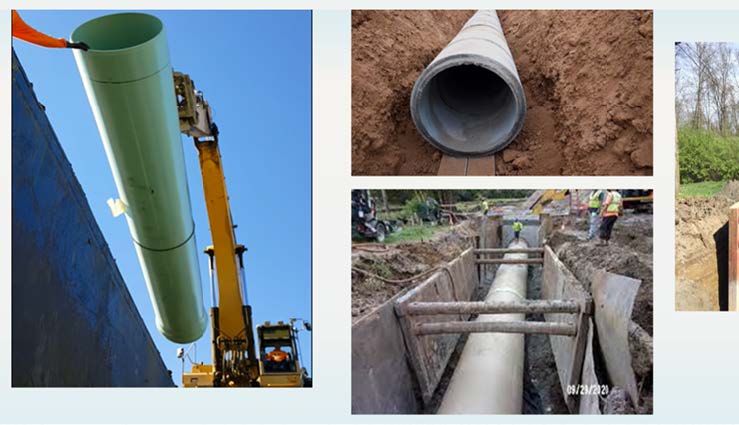
For developers, building to municipal standards is non-negotiable. When gravity sewer is chosen, this often includes the construction of a new lift station. Costs for a single lift station can range anywhere from $500,000 to $1 million, and that’s before factoring in:
- Trenching and gravity pipe installation
- Ongoing pumping requirements until the subdivision is fully built out
- Delays in return on investment, since no homes can be sold until the system is operational
These upfront costs can make or break a project’s financial viability, creating significant barriers to community growth.
The Municipality’s Burden: Ownership = Ongoing Expenses
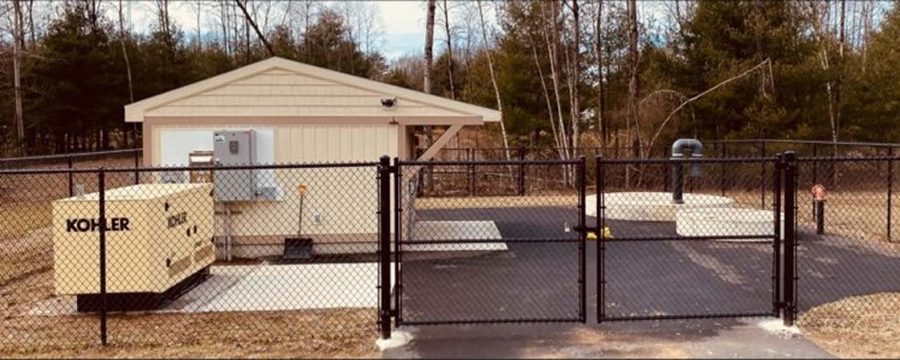
Once the municipality takes ownership, the expenses don’t stop, in fact, they multiply. A new lift station means new responsibilities, including:
- Daily checks and monitoring
- Weekly generator maintenance and fuel costs
- Mowing, snow removal, and site upkeep
- Routine flushing of gravity lines
- Pump repair and replacement costs over time
What may appear as a one-time investment becomes a permanent operational cost center that consumes staff time, resources, and budget.
The E/One Advantage: Proven Long-Term Reliability
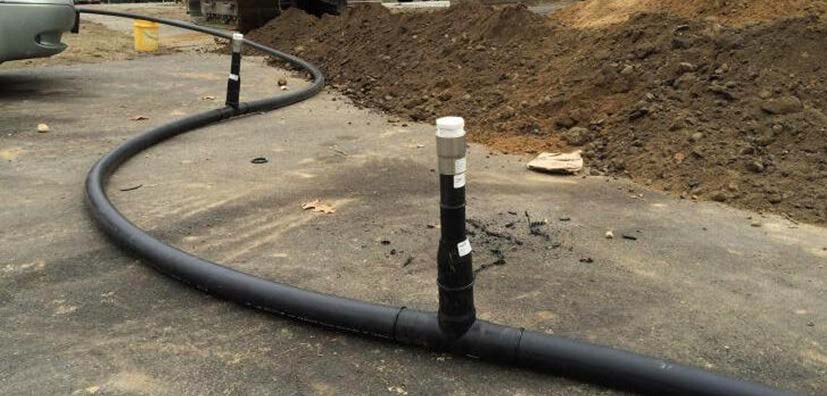
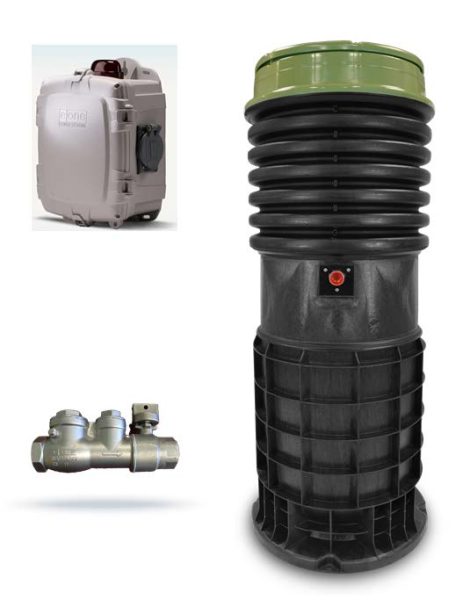
Justin shared how E/One pressure sewer systems have transformed York Sewer District’s operations. He currently manages 140 E/One pump stations, and his experience
speaks volumes:
“Some of these stations are over 20 years old, and I haven’t had to touch them. I’ve never had to flush the pressure lines—just exercise the air release valves. The system is designed with no preventive maintenance required, and we typically see 8–10 years between service calls.”
By eliminating the need for routine flushing, heavy maintenance schedules, and costly repairs, the E/One system delivers predictable performance with minimal intervention.
Why Municipalities Choose LPS Over Gravity
For Justin, the decision is straightforward:
“For me, it’s a no-brainer to approve a developer to build
an LPS system versus a gravity lift station.”
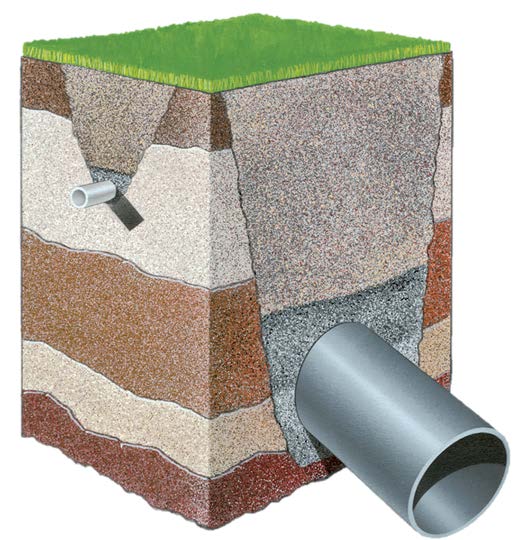
E/One’s LPS technology not only reduces upfront costs for developers but also eliminates the long-term operational burden on municipalities. The result is a sustainable, cost-effective solution that benefits both parties while ensuring reliable service for residents.
Key Takeaway:
A gravity lift station isn’t just a $500K–$1M project, it’s a lifetime of maintenance and expense. An E/One LPS system is a long-term investment in efficiency, reliability, and peace of mind.