Windham Low Pressure Sewer System – Windham, Maine
Overview
The Town of Windham, Maine has relied on private septic systems since its founding on June 12, 1762. With funding and support from the Portland Water District, Windham was able to build its first wastewater treatment facility, making it possible to begin moving residents and businesses off septic and onto a centralized collection system.
Phase 1 focused on the commercial side of town, and most of the phase was designed as a traditional gravity system. North Windham along Route 302 (Roosevelt Trail), the primary commercial, retail, and service hub for the Sebago Lakes Region, proved more challenging for gravity sewer. For that corridor, the town turned to Environment One’s low pressure sewer (LPS).
E/One Sewer Systems Distributors for Upstate New York and New England.
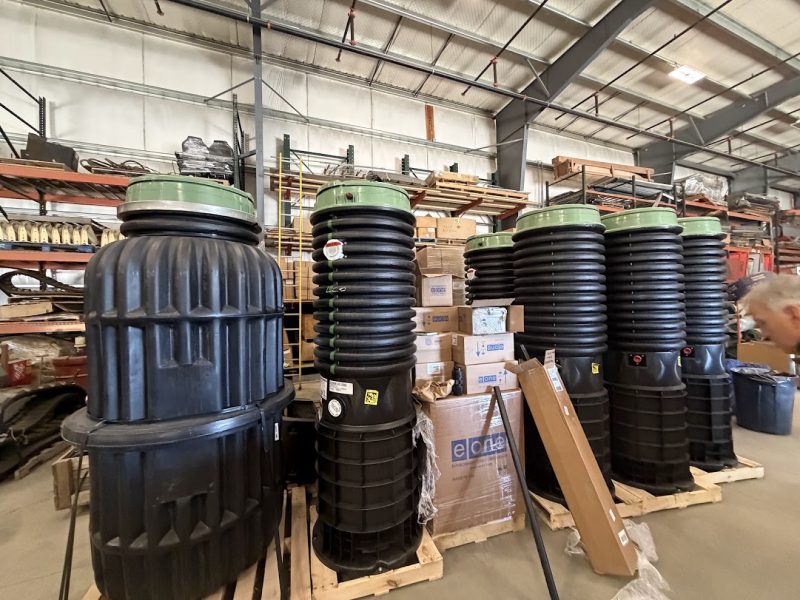
E/One pump stations staged and ready.
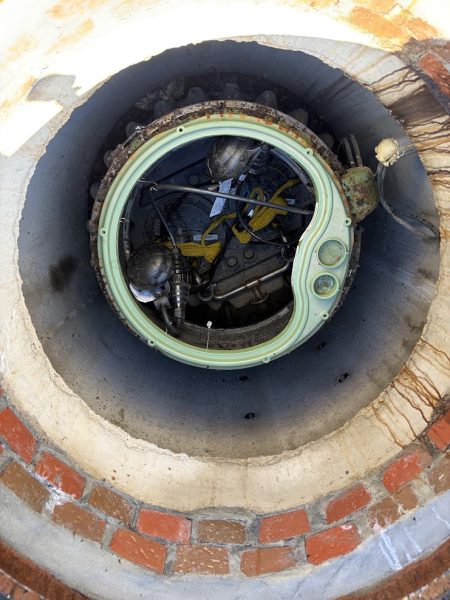
Installed E/One pump station, view from above.
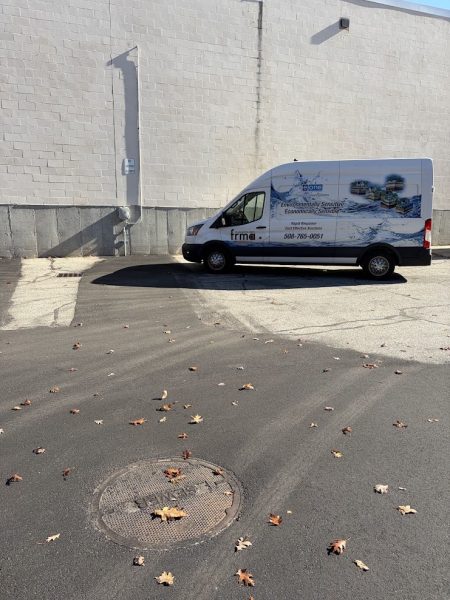
F.R. Mahony service vehicle on site.
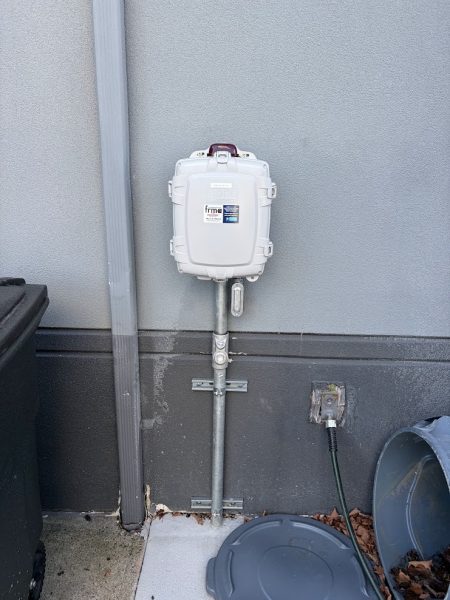
E/One alarm panel mounted onsite.
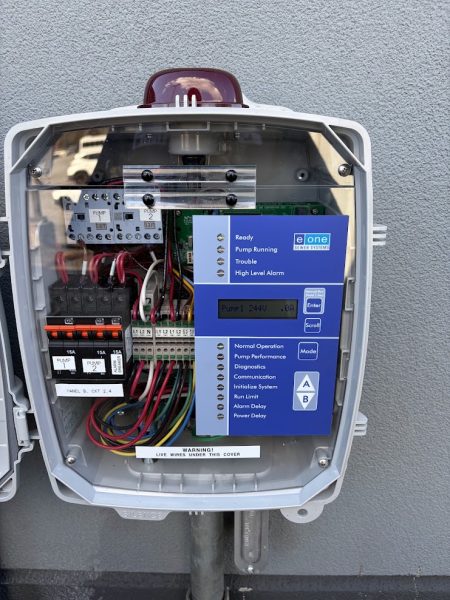
Inside the E/One alarm panel.
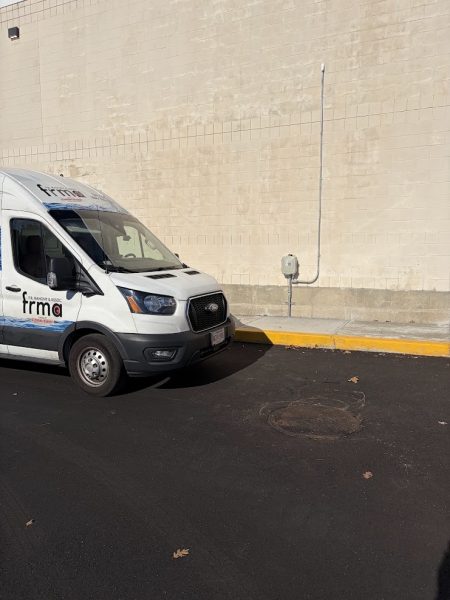
Alarm panel and F.R. Mahony service vehicle onsite.
The Solution
Windham wanted a system that would be just as reliable for its community as a traditional sewer. After extensive discussion and design, the town selected F.R. Mahony & Associates and Environment One (E/One). E/One LPS grinder pump stations were used in Phase 1 to serve the commercial area. With the help and support of F.R. Mahony and E/One, Windham successfully connected most of this area to the new system. Shaw Brothers completed the site work for the project.
Why Low Pressure Sewer
In low pressure sewer, each property has its own E/One grinder pump station that sends wastewater through small-diameter pressure pipe to the main. Because the system does not depend on grade, the piping can be installed with shallower, narrower trenches and routed around obstacles. That flexibility makes LPS a strong fit for busy commercial corridors where space is tight and disruption to businesses needs to be kept to a minimum.
Results
Phase 1 of the Windham sewer project was six years in the making. By using E/One low pressure sewer technology where gravity was difficult, the town was able to connect most of the North Windham commercial area, helping to improve local businesses and the value of their properties.
Looking Ahead
Phase 1 is the first of several phases in Windham’s move from septic to sewer. As the town continues to expand, E/One LPS may play a role in future phases. F.R. Mahony & Associates and E/One are proud to have been part of this milestone for the Town of Windham.
Project At A Glance –
Location: North Windham, ME (Route 302 / Roosevelt Trail)
Customer: Town of Windham
Phase: Phase 1 of a multi-phase sewer expansion
System: E/One low pressure sewer (LPS) grinder pump stations
Treatment: Windham’s first wastewater treatment facility, built with funding and support from the Portland Water District
Site work: Shaw Brothers
Supplied by: F.R. Mahony & Associates and Environment One Corporation
Timeline: Six years from planning to Phase 1